Comparing Asphalt vs Concrete Driveways in Tennessee
So you’re standing in your driveway, staring at cracks or maybe just tired of looking at the same beat-up surface. Time for a replacement. Now comes the fun part—asphalt or concrete?
Honestly, it’s not as straightforward as you’d think. Both get the job done. But here in Murfreesboro? They behave differently once our weather gets involved.
Take a drive through any neighborhood in Smyrna or over toward La Vergne. You’ll notice most driveways are asphalt. Concrete shows up more in newer builds or places with HOA guidelines that want everything looking uniform.
Your decision really comes down to three things: what you want to spend upfront, how long you’re planning to stay put, and how much you feel like dealing with maintenance. Let’s break down what each option actually means for your property.
How Does Professional Striping Enhance Safety and Reduce Liability?
Professional striping enhances safety by creating unambiguous visual guidance where drivers and pedestrians interact, defining travel lanes, pedestrian routes, and stopping points. High-contrast markings, reflective additives, and correct placement of crosswalks and directional arrows reduce hesitation and risky maneuvers that cause collisions. Markings also channel traffic away from vulnerable zones like loading docks and playgrounds, limiting exposure to conflict points. From a liability perspective, documented compliance with ADA and local fire-lane requirements demonstrates due diligence and can mitigate exposure during incident reviews. Effective striping complements signage and lighting to create an integrated safety system that is easier to defend in legal or insurance contexts.
These mechanisms make striping a preventive control that supports other pavement maintenance tasks, and the following subsection examines how visual condition affects property perception and value.
The Basic Breakdown
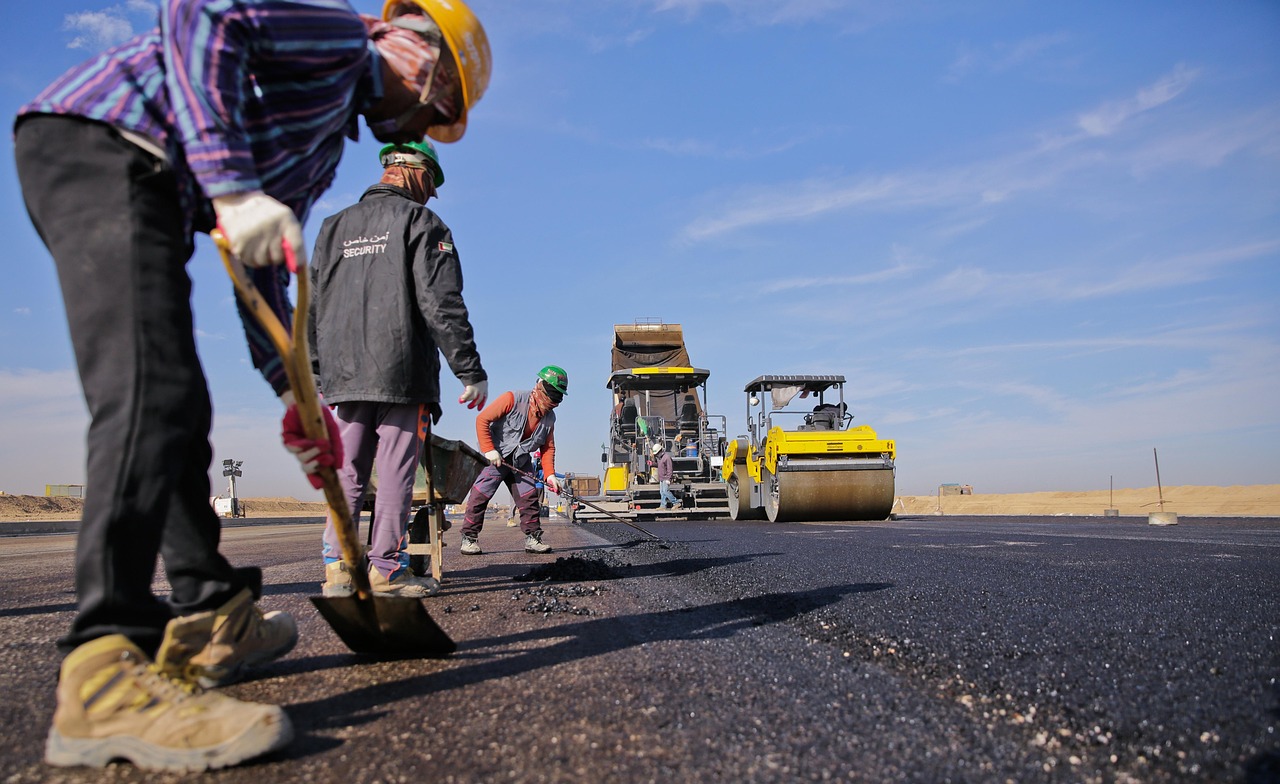
Asphalt is that black surface you see everywhere. Made from aggregate—basically crushed stone—and petroleum-based binder. Gets laid down hot, cools in a day or two, and you can drive on it pretty quick.
Concrete is cement, water, sand, and aggregate all mixed together. Takes about a week to cure before you can park on it. Once it sets, it’s rock solid.
Here’s the big difference: asphalt is flexible. Concrete is rigid. That matters more than you’d think when Tennessee weather starts doing its thing.
Cost Comparison
Let’s talk money because that’s usually the first question.
Material | Cost Per Sq Ft | 600 Sq Ft Driveway | Lifespan |
Asphalt | $3-$5 | $1,800-$3,000 | 15-20 years |
Concrete | $6-$10 | $3,600-$6,000 | 25-30 years |
Asphalt is cheaper upfront. About half the cost of concrete for basic installation. That’s why you see it all over older Murfreesboro neighborhoods.
Concrete costs more initially but lasts longer, so the cost per year kind of evens out over time.
Keep in mind—these prices assume your base is in decent shape. If you need drainage work or the base needs serious prep, add another $2-$4 per square foot to either option.
Note on pricing: These are average ranges for the Murfreesboro area as of 2024-2025. Actual costs vary based on your specific property conditions, contractor rates, material availability, and project complexity. Always get multiple written quotes before making a decision.
Maintenance Requirements
Neither material is set-it-and-forget-it. They just need different kinds of attention.
Asphalt Maintenance
What you’ll need to do:
- Sealcoat every 2-3 years ($0.15-$0.25 per sq ft)
- Fill cracks as they appear
- Patch high-traffic areas when needed
- Resurface every 15-20 years if you keep up with it
Annual cost estimate: $50-$150 for a typical driveway
You’re either someone who stays on top of this stuff or you’re not. If you forget to change your AC filter for six months, asphalt maintenance might drive you nuts.
Concrete Maintenance
What you’ll need to do:
- Seal every 2-3 years (helps but not required)
- Clean oil stains before they set in
- Fill cracks when they show up
- No resurfacing option—you’re patching or replacing sections
Annual cost estimate: $50-$150 for a typical driveway
Concrete needs less frequent work. But when repairs are needed, they cost more and they’re more visible.
Note on maintenance costs: These estimates can vary depending on driveway size, condition, and local contractor rates. Regular preventive maintenance typically costs less than waiting for major repairs.
Pros and Cons: Side by Side
Asphalt
Pros:
- Lower upfront cost
- Repairs are easier and cheaper
- Can be resurfaced instead of fully replaced
- Handles freeze-thaw cycles better
- Faster installation—drive on it in 1-2 days
Cons:
- Needs regular sealcoating (no way around it)
- Softens in extreme heat—we’re talking 90°F+ summer days
- Shorter lifespan (15-20 years)
- Can develop a petroleum smell when it’s really hot
- Shows tire marks and scuffs more easily
Concrete
Pros:
- Lasts 25-30+ years (sometimes longer)
- Stays hard in summer heat
- Lower long-term maintenance
- Cleaner, more polished appearance
- Better for heavy vehicles and equipment
Cons:
- Higher upfront cost (basically double asphalt)
- More prone to cracking from freeze-thaw
- Oil and rust stains are harder to remove
- Repairs are more visible and noticeable
- Can’t be resurfaced—only replaced when it’s done
How Tennessee Weather Affects Both
Middle Tennessee gets hot summers and cold winters. That combination puts both materials through the wringer.
Temperature Impact
Summer (those 90°F+ days we love so much):
- Asphalt softens and can show tire marks where cars sit
- Concrete stays solid and doesn’t care about the heat
Winter (freeze-thaw cycles):
- Asphalt has some flex to it, handles expansion better
- Concrete cracks when water gets in tiny gaps and freezes
We get about 30-40 freeze-thaw cycles per year around Murfreesboro. That’s enough to cause problems for concrete over time.
Rain and Drainage
Tennessee gets 50+ inches of rain a year. That’s a lot of water your driveway needs to deal with.
Asphalt: Pretty water-resistant when it’s new and sealed. Once that sealcoating wears off, water works its way in. That’s when you get potholes and soft spots.
Concrete: Water mostly sits on top, but it can seep through over time. If your base wasn’t prepped right—which happens more than contractors want to admit—you’ll see settling and cracking.
Bottom line? Neither material will hold up if water’s just sitting there with nowhere to go. Fix drainage before you worry about what surface to install.
Which One Makes Sense for You?
Choose Asphalt If:
- You’re on a tight budget and need it done now
- You plan to sell within 10-15 years
- You don’t mind doing maintenance every few years
- Your driveway gets shade (stays cooler, lasts longer)
- You want repairs to be easier and cheaper down the road
Choose Concrete If:
- This is your forever home
- You’d rather pay more upfront and deal with less maintenance
- You want something that looks cleaner longer
- Your HOA requires it or you just prefer the appearance
- You’re parking heavy vehicles or equipment regularly
Common Mistakes to Avoid
1. Picking Based Only on Price
Look, I get it. Three quotes come in and one’s way cheaper. But that low bid usually means shortcuts somewhere.
Base preparation matters more than what goes on top. You need 4-6 inches of compacted crushed stone under either material. Skip that and you’re throwing money away, doesn’t matter if it’s asphalt or concrete.
2. Ignoring Drainage
Water is your driveway’s worst enemy. Period.
Make sure water slopes away from your house and garage. If it pools anywhere, you’ve got a problem waiting to happen. Fix drainage issues before you install anything or you’ll be dealing with repairs way sooner than you should.
3. Skipping Sealcoating (Asphalt)
This one drives me crazy because it’s so preventable. Asphalt needs to be sealed every 2-3 years. Not optional. Not “maybe later.”
Skip it and you’ll replace your driveway in 10 years instead of 20. Sealcoating costs a few hundred bucks. Replacement costs thousands. Do the math.
4. Waiting Too Long for Repairs
Small cracks turn into big cracks. Big cracks turn into holes. Holes turn into “we need to replace the whole thing.”
Catch problems early and you’re looking at maybe $100-$200 to fix. Wait until half the driveway is falling apart? Now you’re talking thousands for either material.
5. Not Getting Details in Writing
Costs are determined by an on-site assessment of linear footage, symbol counts, current pavement condition, and preparation needs, along with material choice and scheduling constraints. Complex layouts with multiple access points and ADA requirements take longer to lay out and may require more expensive materials. Hidden factors, such as oil contamination or required crack repairs, increase preparatory work but substantially improve long-term marking performance. Contractors also price in traffic-control measures and mobilization, which vary by site. A transparent quote will list lineal feet, symbol counts, material types, and recommended preparatory work so owners understand the drivers of cost.
Providing an accurate scope avoids surprises and supports predictable budgeting, which explains why routine restriping pays off over time.
5. Not Getting Details in Writing
Costs are determined by an on-site assessment of linear footage, symbol counts, current pavement condition, and preparation needs, along with material choice and scheduling constraints. Complex layouts with multiple access points and ADA requirements take longer to lay out and may require more expensive materials. Hidden factors, such as oil contamination or required crack repairs, increase preparatory work but substantially improve long-term marking performance. Contractors also price in traffic-control measures and mobilization, which vary by site. A transparent quote will list lineal feet, symbol counts, material types, and recommended preparatory work so owners understand the drivers of cost.
Providing an accurate scope avoids surprises and supports predictable budgeting, which explains why routine restriping pays off over time.
Final Thoughts
Asphalt costs less upfront and handles our winters better. Concrete lasts longer and needs less babysitting.
But here’s what really matters: the installation quality. A well-done asphalt driveway will outlast a poorly installed concrete one every time.
Get your base right. Make sure water drains properly. Hire someone who knows what they’re doing and will put it in writing.
Whatever you choose, stay on top of basic maintenance. A little attention now saves you major money down the road. And honestly? Both materials work fine if they’re installed right and you take care of them.